I have been quietly “watching this space” since December 2025 when news of Samsung’s newly developed silver solid state battery hit the digital news stands (https://metalsandminers.substack.com/p/the-silver-squeeze-is-100-coming). The news had been preceded in October by the announcement of Samsung’s partnership with Silver Storm Mining in Mexico for a 100% offtake agreement that included zinc and lead/silver concentrates (https://www.miningweekly.com/article/silver-storm-partners-with-samsung-to-reopen-mexico-silver-mine-2025-10-13).
Four months later, a clearer picture is emerging as South Korea and Germany have begun to reveal some of the cards previously held so close to their chests. This week started with an announcement by Mercedes Benz and Samsung SDI of a multi-year battery supply agreement. The agreement is for Samsung SDI to supply Mercedes Benz with prismatic batteries. The mineral component of these batteries consists of a combination of nickel, cobalt, and manganese. However, the agreed specs do not limit the battery supplier from improving the quality of its output.
The security that this contract affords has the potential to enable the battery manufacturer to improve its offering over the course of the coming years – a move that is likely to benefit Samsung’s other clients in the vehicle manufacturing sector, including BMW and Volkswagen.
As I consider how many of these German vehicles are produced in sunny South Africa, I wonder if any of the handful of local battery manufacturers has come forward to partner with Samsung SDI. A plant in windy Gqeberha could present an opportunity to further reduce Mercedes’ carbon footprint by producing these batteries locally. Anyhow, I digress…
Indeed, the move by Mercedes Benz has allowed the luxury vehicle brand to quietly keep abreast of its global ESG (Environmental, Social, and Governance framework) requirements by utilizing a battery that is more energy intensive and has a longer lifespan than those previously available to vehicle manufacturers (https://www.koreatimes.co.kr/business/companies/20260420/samsung-sdi-to-supply-ev-batteries-to-mercedes-benz).
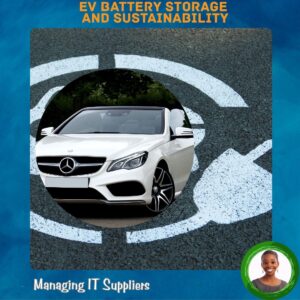
The recent move aligns perfectly with the global adoption of new Environmental Management Systems standards that were released by the International Standards Organization through the updated ISO 14001:2026 standards last week.
Organizations that fail to adhere to these standards could experience the detrimental effects of reputational risk, regulatory penalties, and contract terminations. Today is therefore a great day to reach out to your contract management team to ensure that your organization includes these standards in your contracts. Beyond that, you will need to work within your various business units to ensure that adoption goes beyond lip service toward practical implementation, so that the standards are securely embedded within your business supply chain.
Adhering to the newly updated ISO 14001 Environmental Standards will positively impact your bottom line and provide new collaboration opportunities for your business in the long run. To find out how you can take the first step in this direction, reach out for a chat or read chapter 7 of Managing IT Suppliers: A Practical Guide to Vendor Management (https://www.takealot.com/managing-it-suppliers/PLID99345895).




1 Comment
420 community · April 27, 2026 at 12:50 pm
This might sound dramatic, but this article genuinely changed the way I think about this topic! I came in with one perspective and I’m leaving with a much more nuanced understanding. Your ability to present complex ideas in an accessible way is really impressive. I love how you encouraged readers to think critically rather than just accepting everything at face value. This is the kind of thoughtful content that makes the internet a better place!